
Last Updated: October 8, 2026
What to Do After a Minor Car Accident: First Steps That Protect Your Claim
Most drivers assume a fender bender means no lawyer is needed. Then the neck stiffness shows up three days later, and the insurance adjuster starts asking why you waited to report it. This guide from 305-800-PAIN walks through exactly when a minor car accident warrants legal help, and when you can handle it yourself.
First, secure the scene. Move your car out of traffic if it still drives, then check yourself and your passengers for injuries. Call 911 if anyone is hurt, dizzy, or confused. Even a low-speed crash can cause soft tissue damage that takes hours to surface.
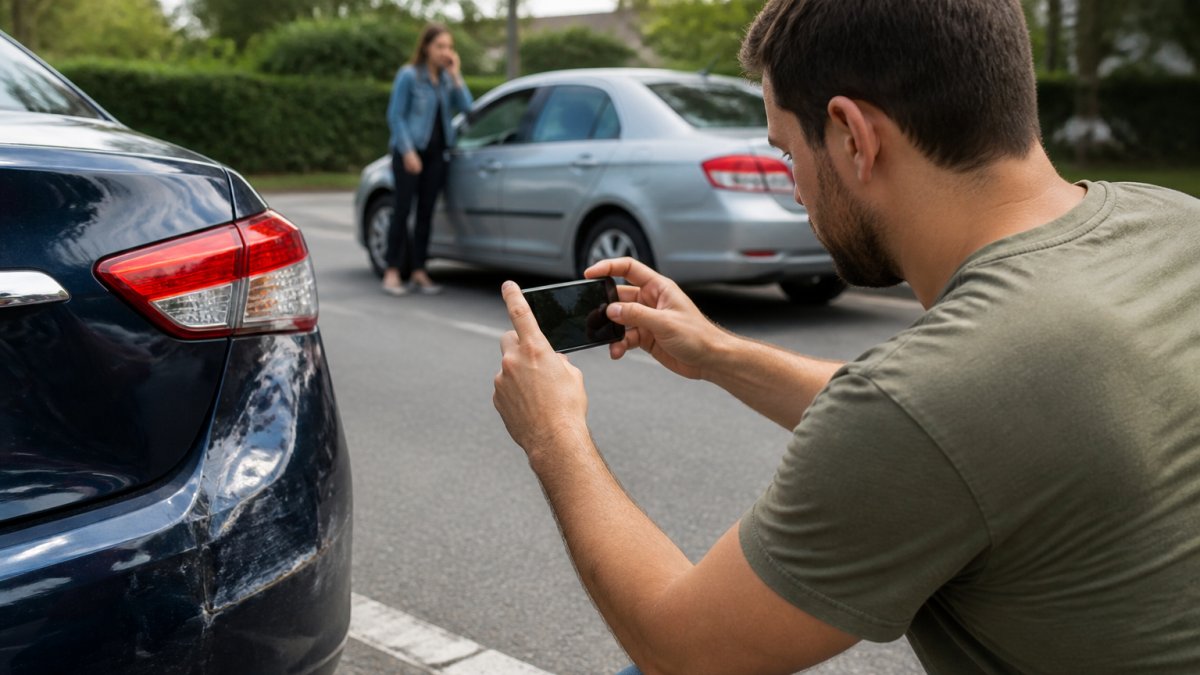
Move to Safety and Check for Injuries
Get off the road before anything else. Turn on your hazards, pull to the shoulder or a nearby lot, and set out warning triangles if you have them.
Then do a slow self-check:
- Neck and shoulder stiffness
- Headache or blurred vision
- Bruising you didn’t notice at first
- Numbness in your hands or feet
Adrenaline hides pain. If anything feels off, treat it as real and get checked.
Call Police and Exchange Information
Call the police even when damage looks minor. A police report creates a neutral record of what happened, and insurers weigh it heavily when fault is unclear.
While you wait, exchange:
- Full name and contact details
- Insurance company and policy number
- Driver’s license number and plate
- Vehicle make, model, and color
Stick to facts. Don’t apologize or say “it was my fault,” even casually. Those words can be used against you later.
Evidence to Collect After a Car Accident: Photos, Witnesses, and Records
Strong evidence is what separates a smooth claim from a fight. Collect it in the first hour, while the scene is fresh and people are still nearby.
The Insurance Information Institute’s guidance on filing a claim recommends documenting everything before you leave the scene.
Photos and Video That Show the Scene
Take more photos than feels necessary. Wide shots establish position. Close-ups show damage.
Capture:
- All four corners of both vehicles
- The full roadway, including lane markings and signs
- Skid marks, debris, and traffic signals
- Close-ups of every dent, scratch, and crack
- Your visible injuries, if any
Shoot a short video walking around both cars. It captures angles a single photo misses.
Witness Information and a Police Report Number
Get names and phone numbers from anyone who saw the crash. Witnesses disappear fast, and their account can settle a fault dispute.
Ask the officer for the report number before leaving. You’ll need it to request the official copy, which usually takes a few days to become available.
Medical Records and Symptom Log
See a doctor within 24 to 48 hours, even if you feel fine. Some injuries, like whiplash and concussions, show up days later.
Keep a simple daily log:
- Date and time of each symptom
- Pain level from 1 to 10
- Any missed work or activities
- Photos of visible bruising
This log becomes evidence. Insurers use gaps in treatment to argue you weren’t really hurt.
When a Lawyer Is Necessary After a Minor Car Accident
A lawyer is necessary when injuries are disputed, fault is unclear, or more than two vehicles are involved. For a clean fender bender with no injuries, you can usually handle it yourself.
The line isn’t about how bad the crash looked. It’s about how complicated the claim becomes.
Injuries That Appear Days Later
Delayed symptoms are the most common reason minor crashes turn into real claims. Whiplash, herniated discs, and concussions often don’t hurt on day one.
Insurers know this, and some adjusters use the delay to question your credibility. A lawyer can connect your medical records to the crash timeline so the gap doesn’t sink your claim.
Disputed Fault or Multiple Vehicles
Fault disputes and multi-car pileups are where self-representation gets risky. When two drivers blame each other, or three cars are involved, the insurance companies fight over percentages.
Many states use comparative negligence rules, meaning your payout drops by your share of fault (comparative negligence | Wex | US Law). A lawyer can push back on an unfair split. The Legal Information Institute overview of negligence law explains how fault sharing works in practice.
Handling a Car Accident Claim Without a Lawyer: When You Can Go It Alone
You can handle a car accident claim without a lawyer when there are no injuries, fault is clear, and the insurer cooperates. That describes a narrow set of crashes, but it does happen.
Here’s the honest test: if you can describe the crash in one sentence and everyone agrees, you probably don’t need help.
Small Property Damage Only, No Injuries
A scratched bumper with no injuries is a property damage claim. You file it, get an estimate, and the insurer pays for repairs.
Keep it simple:
- Get two repair estimates
- Submit photos and the police report number
- Track every call and email
- Don’t cash a check until you’ve read what it releases
Clear Liability and Cooperative Insurer
When the other driver admits fault and their insurer accepts it quickly, the process can run smoothly. Watch for one catch: the first offer is rarely the full amount.
|
Situation |
Handle It Yourself |
Get a Lawyer |
|---|---|---|
|
Property damage only, no injuries |
Yes |
No |
|
Clear fault, cooperative insurer |
Usually |
If offer feels low |
|
Any injury, even mild |
No |
Yes |
|
Fault disputed or multiple cars |
No |
Yes |
|
Symptoms appearing days later |
No |
Yes |
Car Accident Insurance Settlement Offer: How to Evaluate It Before You Accept
The first settlement offer usually covers the obvious costs and skips the rest. Insurers open low, expecting you to negotiate. Accepting too fast locks in a number that may not cover future treatment.
Before you respond, ask what the offer actually includes.
What the First Offer Usually Covers (and What It Misses)
Most opening offers cover the repair estimate and a quick trip to the doctor. They often leave out:
- Future medical treatment
- Lost wages from missed work
- Pain and suffering
- Rental car and towing costs
- Mileage to and from appointments
Add up your real costs first. Then compare that number to the offer.
Questions to Ask Before Signing a Release
A release ends your right to claim more money later. Once you sign, that’s final, even if new injuries surface.
Ask these before you sign anything:
- Does this cover future medical care?
- Are lost wages included?
- What happens if my symptoms get worse?
- Is this a full and final release?
How a Car Accident Lawyer Can Help Even in Minor Crashes
A lawyer can help in a minor crash by handling the insurer, gathering evidence, and pressing for a fair number. The value isn’t just in court. Most injury claims settle before a lawsuit is ever filed.
Here’s what changes when a lawyer takes over:
- The insurer stops calling you directly
- Medical records get organized into a clear timeline
- Demand letters replace casual phone negotiations
- Filing deadlines get tracked so nothing expires
Personal injury lawyers in this field typically work on contingency, meaning they get paid from the settlement rather than upfront. That structure makes legal help accessible even when money is tight. At 305-800-PAIN, we connect injury victims with experienced attorneys in less than five minutes, with support available around the clock.
Frequently Asked Questions
Do I need a lawyer for a minor car accident?
Not always. If the crash involved only minor vehicle damage, no injuries, and the other driver's insurer accepts fault quickly, you may handle the claim yourself. But if you have any pain, the insurer disputes fault, or the settlement offer does not cover your medical bills and lost wages, a lawyer can protect your interests. A minor car accident can still lead to lingering symptoms or a lowball offer, so it is worth a free consultation to know your options.
What should I do after a minor car accident?
Move to a safe location, call the police, and exchange insurance and contact information with the other driver. Take photos of all vehicles, the scene, and any visible injuries. Collect names and phone numbers of witnesses. Even if you feel fine, see a doctor within 24 to 48 hours because soft-tissue injuries often show up later. Then notify your own insurer and keep a file with the police report number, medical records, and all correspondence.
Can I handle a car accident claim without a lawyer?
Yes, for very simple claims with clear liability and only property damage, you can negotiate directly with the insurer. But you will be responsible for gathering evidence, documenting injuries, and calculating a fair settlement that includes future medical costs. Insurers handle these negotiations daily; you likely do not. If the adjuster disputes fault, delays payment, or makes an offer that feels low, that is a sign to get legal advice.
Should I accept an insurance settlement offer right away?
Do not accept the first offer without reviewing it carefully. A quick settlement may not cover future medical treatment, lost earning capacity, or pain and suffering. Once you sign a release, you cannot reopen the claim. Ask the adjuster to itemize what the offer includes, compare it to your documented expenses, and consider whether your symptoms have fully resolved. If you are unsure, a lawyer can review the offer, often at no upfront cost.
A minor crash can still turn into a major claim, especially when symptoms show up late or an insurer lowballs the offer. You don’t have to sort through that alone. 305-800-PAIN matches you with a personal injury attorney in less than five minutes, offers 24/7 support, and works with a network of attorneys and medical providers built for accident cases. Get started with 305-800-PAIN and get a clear answer on your claim today.