
Table of Contents
- Why Documenting Injuries Matters for Your Lawsuit
- Seek Medical Attention and Preserve Your Medical Records for Personal Injury Claim
- Photograph and Video Your Injuries: Safe Documentation Practices
- Document the Accident Scene and Property Damage
- Collect Witness Names, Statements, and Official Reports
- Create an Injury Journal: Examples and Best Practices for How to Document Pain and Suffering
- Build Your Personal Injury Evidence Checklist
- Common Documentation Mistakes That Hurt Your Claim
- Social Media and Digital Oversharing
- Gaps in Medical Treatment
- Inconsistent or Exaggerated Statements
- Vague or Emotional Journal Entries
- Delayed Documentation
- Missing or Disorganized Receipts and Bills
- Documenting Less-Visible and Delayed-Onset Injuries
- Altering, Filtering, or Staging Photos and Videos
- Frequently Asked Questions
Last Updated: October 11, 2026
Why Documenting Injuries Matters for Your Lawsuit
Strong documentation in a document injuries lawsuit creates a record that supports your claim and makes it harder for insurance companies to dispute your injuries. At 305-800-PAIN, we help injury victims connect with experienced attorneys. Your medical records, photos, witness statements, and personal accounts form the foundation of your case. A well-documented injury claim moves faster, settles higher, and stands up better in court. (Source: guidelines from the National Highway Traffic Safety Administration (NHTSA))
Start documenting immediately after an injury. The first 24-48 hours create the most credible evidence because details are fresh and injuries are visible.
Seek Medical Attention and Preserve Your Medical Records for Personal Injury Claim
Get medical help immediately after an injury. Tell your doctor exactly what happened and describe pain location, intensity, and movements that worsen it. Keep copies of everything: doctor visit summaries, lab results, imaging (X-rays, MRI), prescriptions, physical therapy notes, hospital discharge papers, and billing statements. Insurance companies trust medical records more than personal statements, and delaying treatment gives adjusters reason to argue your injuries weren’t serious.
Waiting weeks to seek medical care weakens your claim. Insurance adjusters assume serious injuries get immediate attention. Delays suggest the injury may be minor or unrelated to the accident.
Photograph and Video Your Injuries: Safe Documentation Practices
Photos and videos show what your injuries actually look like. Take photos from multiple angles in good lighting starting immediately, since swelling, bruising, and visible wounds change rapidly.
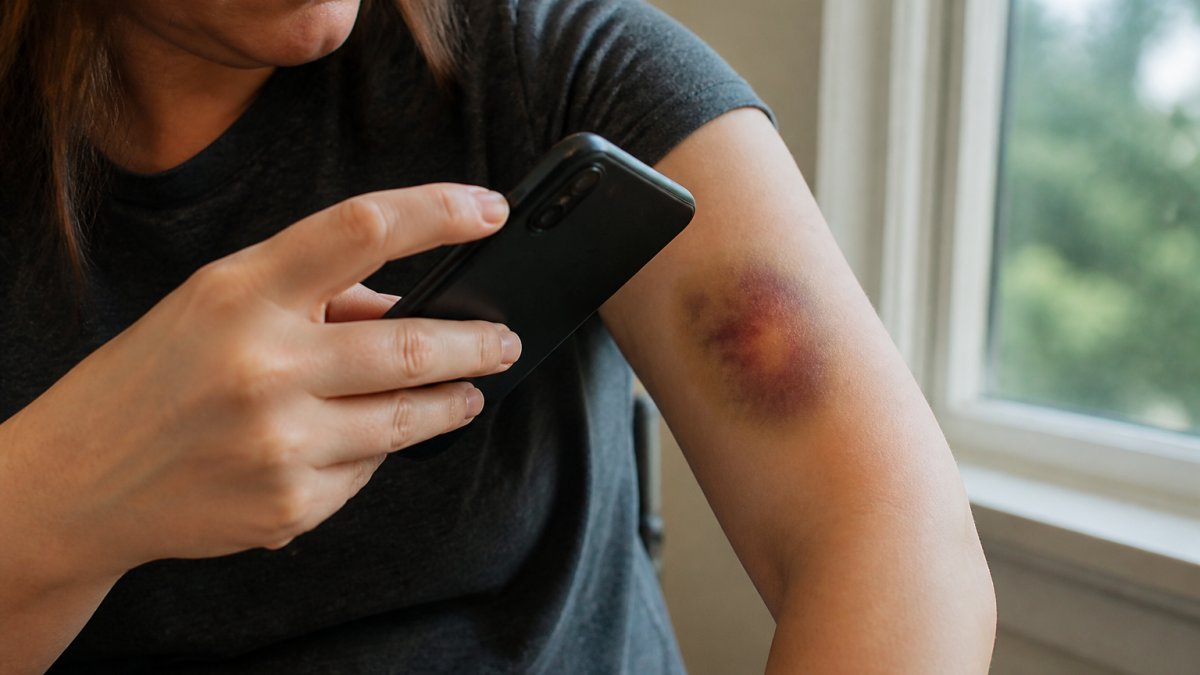
Safe photography practices:
- Use natural daylight without shadows
- Include your face in some photos to prove it’s you
- Take close-ups and wider shots showing context
Record videos describing pain, showing movement limitations, or explaining how the injury affects daily activities (keep them 30-60 seconds).
Photograph injuries in the same location and lighting each time. Consistency makes progression clear and harder to dispute.
Document the Accident Scene and Property Damage
Photograph the accident location, vehicle damage, road conditions, traffic signals, skid marks, weather conditions, and any hazards that contributed to the accident. If you cannot photograph the scene, ask a witness or first responder. Property damage correlates with injury severity; limited vehicle damage paired with serious injuries raises questions. Document surrounding damage, a pothole, broken railing, or wet floor without warning signs, to prove negligence.
Collect Witness Names, Statements, and Official Reports
Witnesses strengthen your case because they have no financial stake in the outcome. Get witness information at the scene: full name, phone number, email, address, and what they saw. Ask witnesses to write a brief statement, sign and date it, and record them on video if possible. Request the police report or incident report within days of the accident, as these official documents carry authority and include officer observations, witness accounts, and citations.
Witness memories fade quickly. Collect statements within 48 hours of the accident. After weeks or months, details become fuzzy and less credible.
Create an Injury Journal: Examples and Best Practices for How to Document Pain and Suffering
An injury journal tracks your daily experience in a document injuries lawsuit, showing how the injury affects your life over time and supports claims for pain and suffering damages. Start the day of the injury and write entries daily or several times per week. Be honest and specific.
Injury Journal Examples: What to Track Daily
Include pain level (1-10 scale), location, triggers, relief methods, activities you couldn’t do, duration, sleep disruption, and emotional impact. Example: “October 15, 2026. Pain level 7/10 in lower back. Could not bend forward to pick up items. Sat for 20 minutes before pain became unbearable. Took prescribed medication at 2 PM. Slept poorly, woke three times due to pain. Missed my daughter’s soccer game because I couldn’t sit in bleachers.” Keep entries brief but detailed, one paragraph per day.
Build Your Personal Injury Evidence Checklist
Organization matters, but timing matters more. Documentation collected immediately after an injury carries more credibility than evidence gathered weeks later.
Day-of-Incident Checklist (First 24 Hours)
At the scene:
- Call 911 if anyone is injured or property damage is significant
- Take photos of the accident scene, all vehicles, and visible injuries
- Note the date, time, and weather conditions
Within hours:
- Seek medical attention and describe all pain and unusual sensations
- Start your injury journal with an entry describing the accident and immediate symptoms
- Take additional photos of injuries in natural light
First Week Checklist
Medical and treatment:
- Follow up with your primary care doctor and schedule specialist appointments
- Obtain and organize all medical records
- Keep copies of all prescriptions and medical bills
Documentation and evidence:
- Request the police report or incident report
- Collect written statements from witnesses
- Create a file folder to store all documents
Ongoing Checklist (Weeks 2 Through Recovery)
Medical care:
- Attend all scheduled medical appointments
- Collect records from each appointment within 48 hours
- Continue injury journal entries 3-4 times per week
Financial tracking:
- Keep receipts for all medical expenses and lost wages
- Track childcare, household help, and other services paid for due to injury
- Save receipts for over-the-counter pain relievers and injury-related purchases
Evidence maintenance:
- Photograph injuries weekly as they change
- Keep all medical records organized in one location
- Do not alter, edit, or filter any photos or videos
Priority Order When Resources Are Limited
- Seek medical attention immediately, Creates the official record proving your injury exists.
- Photograph injuries and property damage within 24 hours, Visual evidence degrades quickly.
- Collect witness information at the scene, Memories fade within days.
- Request official reports within one week, Delays raise questions.
- Start an injury journal immediately, Day-of entries are more credible than those written later.
- Organize medical records and bills as they arrive, Disorganized documentation slows your claim.
Complete the day-of and first-week checklists within 7 days of your injury. These early steps create the strongest evidence.
Set phone reminders for medical appointments and injury journal entries. Consistency shows your injury is real and ongoing.
Common Documentation Mistakes That Hurt Your Claim
Even well-intentioned victims make mistakes that weaken their cases. Understanding these errors protects your claim and preserves your credibility.
Social Media and Digital Oversharing
The mistake: Posting photos, updates, or complaints about your injury on social platforms.
Why it damages your claim: Insurance adjusters monitor social media accounts. A casual photo of you smiling at a restaurant or hiking contradicts claims of severe pain and mobility limitations.
How to prevent it:
- Set social media accounts to private immediately after injury
- Do not post about the accident, injuries, or recovery
- Ask friends and family not to tag you in photos
Gaps in Medical Treatment
The mistake: Waiting weeks between doctor visits or stopping treatment because you feel slightly better.
Why it damages your claim: Adjusters interpret gaps as evidence that your injury improved or wasn’t serious. Medical records are your strongest evidence.
How to prevent it:
- Schedule follow-up appointments before leaving each visit
- Keep all appointments, even if you feel slightly better
- If you cannot afford treatment, tell your doctor about low-cost options
Inconsistent or Exaggerated Statements
The mistake: Telling different people different things about your injury severity, or overstating pain levels.
Why it damages your claim: Adjusters compare statements from multiple sources. Inconsistencies create doubt. Exaggeration is particularly damaging, a medical record showing full range of motion contradicts claims you cannot move your arm.
How to prevent it:
- Be consistent in how you describe your injury to all people
- Use the same pain scale consistently
- Stick to facts and specific observations
Vague or Emotional Journal Entries
The mistake: Writing entries that are emotional, vague, or lack specific details.
Why it damages your claim: Entries like “This is the worst thing ever” sound exaggerated. Your journal is evidence.
How to prevent it:
- Write entries the day they happen
- Include specific details: pain level, location, what triggered it, what relieved it
- Describe specific activities you couldn’t do: “Could not bend forward to pick up items”
Delayed Documentation
The mistake: Waiting weeks or months to photograph injuries, collect witness statements, or request medical records.
Why it damages your claim: Evidence collected immediately is inherently more credible. Photos taken weeks later show healing, not acute injury. Witness statements written months later are fuzzy.
How to prevent it:
- Photograph injuries within 24 hours
- Collect witness information and statements within 48 hours
- Request official reports within one week
Missing or Disorganized Receipts and Bills
The mistake: Losing medical bills, prescription receipts, or proof of expenses, or failing to organize them.
Why it damages your claim: You cannot recover compensation for expenses you cannot prove.
How to prevent it:
- Keep every medical bill, prescription receipt, and out-of-pocket expense receipt
- Create a folder (physical or digital) for financial documents
- Photograph or scan receipts immediately
Documenting Less-Visible and Delayed-Onset Injuries
The mistake: Failing to document symptoms that are not immediately visible (pain without bruising, internal injuries, neurological symptoms) or injuries that appear or worsen days after the accident.
Why it damages your claim: Adjusters are skeptical of injuries they cannot see. Whiplash may not show bruising but causes severe pain.
How to prevent it:
- Seek medical attention even if you have no visible injuries
- Tell your doctor about all pain, numbness, dizziness, or unusual sensations
- In your journal, document invisible symptoms specifically: “Sharp pain in lower back when bending, no visible bruising”
Altering, Filtering, or Staging Photos and Videos
The mistake: Editing injury photos with filters, cropping to hide context, staging photos to exaggerate injuries, or deleting unflattering photos.
Why it damages your claim: Edited or staged photos destroy credibility. If adjusters discover manipulation, they assume all your photos are fake.
How to prevent it:
- Take photos in natural light without filters or editing
- Include context in photos
- Do not stage or exaggerate injuries
Once you discover a mistake, address it proactively with your attorney. Do not try to hide it or delete evidence. Attempting to cover up a mistake is far worse than the mistake itself.
When in doubt, document it. Overly detailed documentation is better than sparse documentation. Your attorney can decide what matters; you cannot recover evidence you failed to collect.
Frequently Asked Questions
What should I photograph when documenting injuries for a lawsuit?
Photograph visible injuries in natural light from multiple angles, including close-ups and wider shots showing the injury in context. Document the accident scene, property damage, and any environmental hazards that contributed to the incident. Take photos of medical equipment, treatment settings, and medications. Photograph your injuries at different stages of healing, as this shows the progression and severity. Avoid editing or filtering photos, as courts require clear, unaltered evidence. Include date and time stamps on all images.
How do I keep an injury journal that helps my personal injury claim?
Start your injury journal immediately after the accident and update it daily. Record your pain levels on a scale of 1-10, specific symptoms, daily activities you cannot perform, medications taken, medical appointments, and how the injury affects your work and personal life. Note times when pain is worse or better, any new symptoms that develop, and emotional impacts like anxiety or depression. Be specific: instead of ‘pain,’ write ‘sharp stabbing pain in lower back when sitting for more than 15 minutes.’ Keep your journal in a safe, accessible format, digital or physical, and maintain consistent entries to establish credibility.
What medical records should I collect for my personal injury claim?
Gather all medical records related to your injury, including emergency room reports, doctor visit summaries, diagnostic test results, imaging reports, treatment plans, prescription records, and therapy or rehabilitation notes. Collect itemized medical bills and insurance explanation of benefits (EOB) statements. Request records from all healthcare providers you visited after the accident, including hospitals, urgent care clinics, physical therapists, and specialists. Organize these chronologically and maintain copies in both digital and physical formats. Ask your healthcare providers for a summary of your diagnosis, treatment, and prognosis, as this supports your claim’s severity.
How do I preserve digital evidence from my accident?
Save text messages, emails, social media posts, and photos related to the accident in multiple locations: cloud storage, external hard drives, and email archives. Screenshot communications with insurance adjusters, medical providers, and witnesses. Download your location history and timeline data if relevant to establishing when and where the accident occurred. Create backup copies of all evidence before sharing it with anyone. Avoid posting about your injury on social media, as insurance companies monitor these accounts and may use your posts to minimize your claim. Document the date, time, and source of all digital evidence you collect.