Navigating the aftermath of a slip and fall injury can be overwhelming. These injuries are often unexpected and can vary in severity, impacting your daily life. Understanding how to effectively deal with them is crucial for a smoother recovery process. Whether you’re dealing with a minor scratch or a more serious injury, here are essential tips to help you handle slip and fall situations with confidence.
1. Identifying the Severity of the Injury
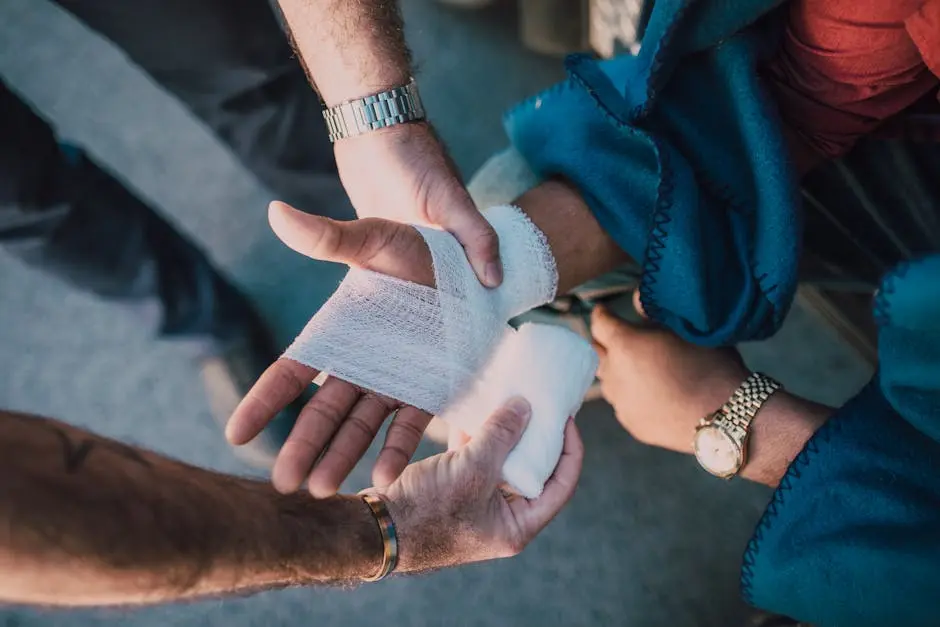
The first step in managing a slip and fall incident is accurately assessing the severity of your injury. Determine if it’s something you can manage at home or if professional medical care is needed. Look for signs such as excessive swelling, inability to move, or severe pain as indicators to visit a healthcare professional.
A minor fall might leave you with just a mild bruise or scratch, while more serious falls can lead to fractures or head injuries. It’s important to listen to your body and recognize when a situation requires more than just a check-up. If you experience ongoing symptoms or unusual pain, consulting a medical expert should be your top priority.
2. Prioritize Immediate Medical Attention
If you’re experiencing significant pain or suspect a serious injury, don’t hesitate to seek immediate medical attention. Quick response can prevent further complications and speed up the healing process. Keeping emergency numbers handy can be a lifesaver in critical situations.
In an emergency, every second counts. Whether it’s calling an ambulance or having someone drive you to the nearest hospital, timely medical intervention can be crucial. This swift action is particularly important for individuals with pre-existing conditions, such as osteoporosis, which can increase the likelihood of a severe injury.
3. Documenting the Scene
Capture details of the accident scene immediately after the incident if possible. Take photos, note down the time, and gather witness statements. This information might prove invaluable if you decide to pursue legal action or file an insurance claim.
4. Understanding Your Medical Treatment Options
Consult with your healthcare provider to explore treatment options. Whether it’s physical therapy, medication, or surgery, understanding the best course of action for recovery can make a significant difference in outcome.
5. Applying Ice and Resting
For many injuries, applying ice and taking ample rest are crucial in the initial stages. Ice can reduce swelling and pain, while rest allows your body to heal naturally. Ensure you’re following any icing protocols carefully to avoid skin damage.
6. Knowing When to Resume Activities
Consult with a medical professional to determine when it’s safe to resume normal activities. Avoid resuming too soon as this can exacerbate your injury and prolong recovery.
It can be tempting to return to your normal routine rapidly, but patience is key. Gradually reintroduce activities under the guidance of a healthcare provider. They may advise a modified routine to accommodate ongoing pain or reduced mobility, ensuring a safer transition back to your daily life.
7. Maintaining a Personal Injury Journal
Keep track of your recovery journey, noting pain levels, doctor visits, and improvements. This not only helps you stay aware of your progress but can also serve as evidence if legal action is pursued.
Recording your daily condition can guide discussions with healthcare providers, ensuring they have the most accurate depiction of your ongoing symptoms. This diary also becomes a great tool to understand patterns in your recovery or setbacks that might warrant medical attention.
8. Exploring Legal Advice
In some cases, legal action might be necessary to cover medical expenses or lost wages. Seek advice from a personal injury lawyer to understand your rights and potential compensation.
9. Managing Pain with Medication
Discuss pain management options with your doctor. Over-the-counter medications can often suffice, but in certain cases, stronger prescriptions might be needed to ensure comfort during recovery.
10. Focusing on Rehabilitation Exercises
Engage in rehabilitation exercises as prescribed by your physical therapist. These exercises are designed to strengthen affected areas, enhance mobility, and speed up the recovery process.
Incorporating these exercises regularly can prevent future injuries, enhance your overall physical health, and build confidence as you regain strength. Tailored routines should consider your specific injury to maximize benefits and minimize risks.
11. Being Aware of Potential Complications
Educate yourself about possible complications that can arise from your injury. This knowledge helps in identifying unusual symptoms early, ensuring you receive timely medical intervention.
Complications can include anything from delayed healing to infections and even chronic pain. Maintaining vigilance over your health can prevent minor issues from escalating, subsequently averting further medical complications.
12. Communicating Effectively with Healthcare Providers
Open communication with your healthcare providers is essential. Feel free to ask questions, express concerns, and discuss any ongoing symptoms to ensure comprehensive care.
Be your own advocate; detailed communication helps your providers tailor treatment plans to your specific needs. Consider preparing a list of questions or concerns ahead of appointments to ensure efficient and thorough consultation visits.
13. Establishing a Support System
Emotional and social support during recovery can significantly impact your mental and physical health. Reach out to family, friends, or support groups to share your experiences and receive encouragement.
14. Staying Informed About Preventive Measures
Educate yourself on preventive measures to avoid future slip and fall incidents. This includes simple adjustments in your home environment, using aids like non-slip mats, and being cautious in hazardous conditions.
Your home should be a haven, not a hazard. Simple modifications such as securing loose rugs, ensuring good lighting, and installing handrails can drastically reduce the risk of falls. Start small and build a safer space, one improvement at a time.